Informational content only. Shiningbeaut publishes general home workout education from Malmö, Sweden. We are not a healthcare provider and do not offer medical advice, diagnoses, or treatment. Outcomes vary by individual. Speak with a qualified professional before starting new physical activity. Terms of Use · Privacy Policy

Planning & Logging

Educational Tools for Logging Home Workout Sessions

This page describes general methods for recording session activity and planning routines at home. All content is informational — we do not promise specific outcomes or provide health assessments.

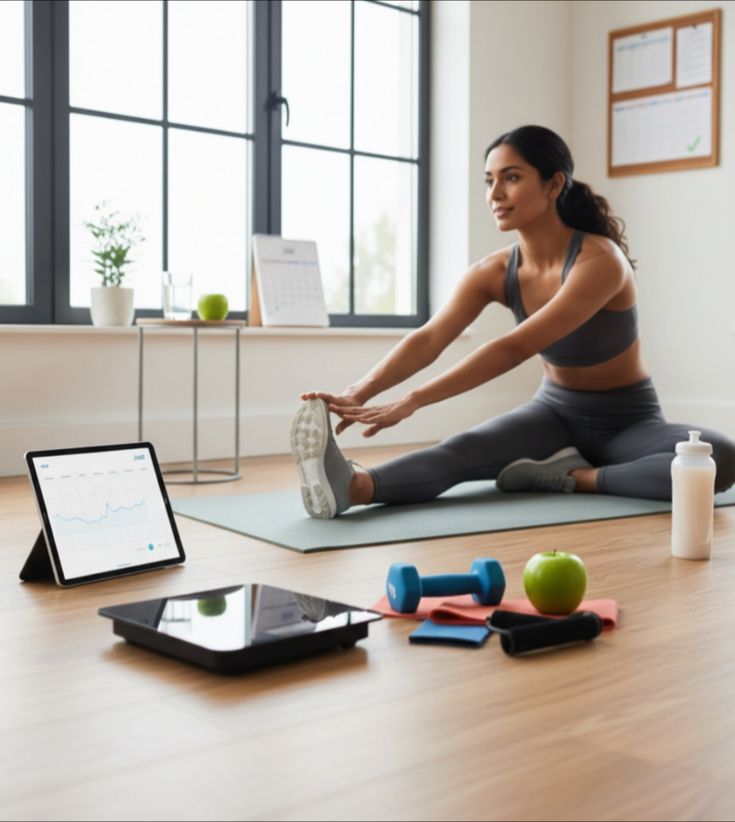
Illustrative session log chart showing recorded workout sessions over twelve weeks as an example format

Three Educational Approaches to Session Logging

Session Log Method

Record date, session type, duration, and subjective effort rating (1–10) after each workout. Over weeks, patterns emerge — which days you train most consistently, which formats feel sustainable, and how effort ratings shift as familiarity grows. This qualitative approach requires no special equipment.

Rep Benchmarks

Choose 2–3 anchor exercises and note comfortable repetition counts during periodic check-ins. Use these as personal reference points only — not as standardized performance benchmarks.

Form Check Records

Occasional video or photo notes of key movements help you compare alignment and range of motion over months — a technique-focused alternative to numeric tracking.

Session Context Notes

Optional brief notes about how a session felt — such as energy level or time of day — can help you review patterns in your own log. This is personal record-keeping, not health monitoring or clinical assessment.

Building Training Consistency at Home

A consistent home workout schedule often depends more on routine design than on session intensity. Our educational materials describe planning principles adapted for domestic environments.

  • Anchor Sessions to Existing Routines

    Link workouts to daily events — after morning coffee, before lunch, or following an evening walk.

  • Designate a Training Spot

    A consistent physical location reduces decision fatigue and signals readiness to move.

  • Start With Minimum Viable Sessions

    Short, regular sessions may be easier to maintain than lengthy plans that do not fit your weekly schedule.

Week 1–2: Establish Presence

Focus on showing up. Session content matters less than building the habit of entering your training space on scheduled days.

Week 3–4: Add Structure

Introduce warm-up protocols and timed segments. Begin logging sessions using your preferred tracking method.

Week 5+: Refine & Vary

Rotate session formats, adjust session variables, and review logs to identify what fits your schedule.

Example Planning Phases for Session Organization

These phases illustrate how readers may structure their own planning. They are educational examples only — not timelines, predictions, or promises about what any reader will experience.

Phase 1
Learning session structure
Phase 2
Building a personal schedule
Phase 3
Trying format variations
Phase 4
Maintaining a personal routine

Rest Days in a Home Workout Schedule

These are general educational notes about scheduling rest. They are not medical or wellness recommendations.

Scheduling Rest

Including rest days in a weekly plan gives the body time between active sessions. How many rest days to include depends on your own schedule and preferences.

Hydration During Sessions

Having water available during home workouts is a practical consideration mentioned in our session guides. Individual fluid needs vary.

Light Activity on Rest Days

Some readers choose gentle walking or stretching on rest days. These are optional activities described in our educational materials, not prescribed routines.

Personalized Planning Guidance

Shiningbeaut offers consulting-style guidance for readers who want help structuring their home training approach. These sessions provide educational recommendations based on your stated preferences and schedule — they are not medical assessments or clinical consultations.

Request Information

Session Journals & Planners

Digital and printable resources designed to complement our workout guides. Track sessions, note observations, and review monthly patterns with structured templates developed by our Malmö-based editorial team.

Planning & Logging FAQ

Session logs reflect your own recorded activity — they are personal reference tools, not performance evaluations. Many factors affect how any individual feels during home workouts. Our content focuses on planning and education, not outcome measurement.

We do not recommend or prescribe specific tracking methods. Body weight fluctuates for many reasons. Our educational content focuses on session logging and planning. For personal health questions, consult a qualified professional.

Our training guides describe general session adjustment concepts — such as changing volume or rest periods. Appropriate changes depend on your own comfort and experience. We do not provide individualized coaching assessments.

Continue Reading Our Educational Content

Session templates are on the Train page. For questions about our services, visit the Contact page.

View Training Guides